
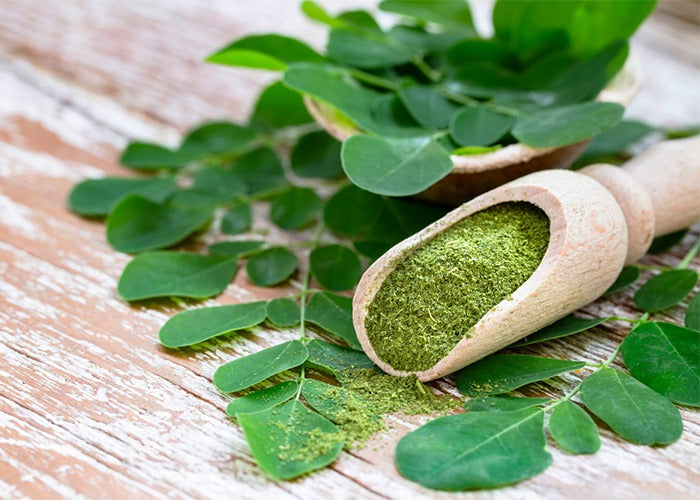
Moringa has been part of traditional food and wellness practices for generations. Leaves, seeds, flowers, and pods appear in daily cooking as well as topical routines for skin and hair care. Interest in moringa benefits continues to grow because the plant offers nutrients, antioxidants, and versatile applications that fit easily into modern lifestyles.
People include moringa in meals, herbal drinks, and natural self-care practices. Each part of the plant contributes a different nutritional or functional value that supports everyday wellness through balanced habits.
What Is Moringa?
Moringa oleifera is a fast-growing plant native to India and widely cultivated across tropical regions. It has long been grown as part of Indian agricultural practices because it adapts easily to warm climates and diverse soil conditions.
Over time, moringa became a regular part of daily cooking, especially in South Indian cuisine, where its pods, commonly known as drumsticks, were added to curries and lentil dishes. Leaves were also used as seasonal greens. Its consistent presence in home gardens and farms gradually established it as a dependable food source.
As nutritional research expanded, moringa gained recognition as a plant-rich food valued for supporting immunity, heart health, and addressing nutritional gaps in diets. Beyond cooking, traditional practices also began using its seed oil and leaf extracts in skin and hair care routines, connecting agriculture, food, and self-care within one plant.
Nutritional Value in Everyday Diets
Moringa leaves contain vitamins such as A and C, minerals like calcium and iron, plant protein, fibre, and natural antioxidants. These nutrients contribute to overall dietary balance when included in regular meals.
Ongoing nutrition research continues to explore the diverse plant compounds found in moringa leaves and seeds. Incorporating nutrient-dense ingredients into everyday meals can contribute to a more balanced, varied, and wholesome dietary pattern.
Edible Uses of Moringa Leaves and Powder
Indian cooking embraced moringa early because the plant grows easily in tropical climates and blends seamlessly into daily meals. Known as drumstick, its pods and leaves became staples in sambar, curries, and lentil dishes due to their mild taste and adaptability.
As households began drying and grinding the leaves, moringa powder offered a convenient way to preserve its nutrients year-round. Today, moringa powder benefits everyday cooking by making it simple to add plant vitamins and antioxidants to soups, smoothies, dal, and chutneys. Fresh leaves are still sautéed or added to curries, while the powdered form supports quick and consistent use in both traditional and modern recipes.
Cooking with Moringa Pods and Flowers
Moringa pods, often called drumsticks, appear in many Indian dishes and provide fibre and plant nutrients that complement balanced meals. Flowers are prepared in teas or seasonal recipes and contribute minerals such as calcium and potassium.
Both pods and flowers work well in soups, vegetable dishes, and home cooking routines that focus on simple, plant-based ingredients.
Topical Uses: Moringa Oil for Skin Care
Oil extracted from moringa seeds contains fatty acids and antioxidants that support moisturising routines for skin. Many natural skincare practices include moringa oil in face oils, body care products, and massage blends.
Topical use focuses on nourishment and hydration rather than medical treatment. Regular application supports soft and conditioned skin as part of everyday self-care habits.
Moringa for Hair Care: Nourishment from Root to Tip
Moringa oil and leaf extracts appear in hair oils, masks, and scalp treatments. Nutrients and plant compounds present in moringa contribute to conditioning and maintaining hair texture when used regularly in grooming routines.
Applying small amounts to the scalp or hair lengths supports shine and manageability. Traditional practices often combine moringa with other natural oils for holistic hair care.
Plant Compounds and Everyday Dietary Balance
Moringa contains a range of natural plant compounds that support its use as a whole-food ingredient rather than a single-nutrient source. When added to meals or drinks, the benefits of moringa become part of a balanced dietary pattern alongside vegetables, legumes, and healthy fats.
These same plant elements also appear in moringa seed oil and leaf-based topical uses, connecting food and self-care routines. Including moringa in small, regular amounts supports consistent lifestyle habits focused on overall balance.
Digestive Wellness Through Edible Moringa
Moringa contains fibre and plant nutrients that contribute to digestive balance when eaten in food quantities. Adding leaves or powder to soups and curries helps integrate moringa into daily meals without major changes to existing eating patterns.
Balanced meals that include vegetables, legumes, and whole foods work alongside moringa to support everyday digestive comfort.
Understanding the Moringa Powder Benefits of in Daily Routines
Discussions around the benefits of moringa powder often highlight its adaptability in both meals and personal care. Its mild taste and fine texture allow it to blend smoothly into everyday recipes without disrupting flavour. With simple additions, moringa can become a steady part of your daily routine.
In food and beverages, you can:
-
Add 1 teaspoon to smoothies with banana, spinach, or pineapple.
-
Whisk ½ teaspoon into warm almond milk with cinnamon for a comforting latte.
-
Stir it into lemon water with a little honey for a light morning drink.
-
Mix into soups, dals, or homemade energy bites just before serving.
For topical wellness, you can:
- Combine moringa powder with aloe vera gel or rose water for a gentle face mask.
-
Blend it with curd and a small amount of coconut oil to create a nourishing hair pack.
Using small, consistent quantities helps maintain balance while naturally integrating moringa into both nutrition and self-care practices.
Safety and Everyday Use
Moringa works best as a regular food ingredient or natural self-care addition used in moderate amounts. Large quantities may cause digestive discomfort in some individuals. People who are pregnant or taking medication benefit from consulting healthcare professionals before using concentrated moringa supplements or extracts.
Balanced routines and mindful consumption help maintain safe and enjoyable use.
Simple Ways to Include Moringa in Your Daily Routine
Incorporating moringa into everyday life does not require major changes. A few mindful additions to meals or self-care rituals can make it a consistent habit.
- Stir moringa powder into smoothies, soups, or warm dals for a subtle nutritional boost.
-
Sauté fresh moringa leaves with vegetables or add them to lentil preparations.
-
Brew a light herbal infusion using dried leaves or flowers.
-
Lightly roast moringa seeds for occasional consumption.
-
Use moringa oil as part of your skincare or haircare routine.
-
Blend moringa powder into homemade face packs or hair masks.
Even small, regular uses can make moringa a seamless part of both your diet and personal care practices.
From Surface to Within: One Plant, Holistic Wellness
Moringa connects traditional food culture with modern wellness routines. Leaves, pods, flowers, and seeds support daily nutrition through cooking, while seed oil and extracts enhance topical self-care practices. Including moringa in meals and grooming habits helps build simple, consistent routines that support overall lifestyle balance.
Understanding edible and topical uses allows people to explore moringa in a practical way that fits everyday life.


